By invitation. Thursday and Friday, 2027.
The 11th Future Facilities Summit
Two days with facility leaders from hospitals, campuses, schools, office towers, data centers and cities, and only the solution providers you choose to meet.
- ColumbusApril 29–30168 days to go
- DetroitOctober 28–29350 days to go
Led a project worth 20 minutes? Tell it to your peers.
Ten past delegates, in their own words (1:47)
- 35summits since 2007
- 17,000+one-to-one meetings held
- 605facility leaders have come
- 2days. Home Friday afternoon.
Find your seat.
Breakfast, lunch and dinner are assigned seating at numbered tables. You sit with people who run places like yours, and with people who solved your problem in a different kind of building.
Which do you run?
Pick one, and one seat becomes yours.
These organizations sent facility leaders to past FMA summits. They are not the 2027 list.
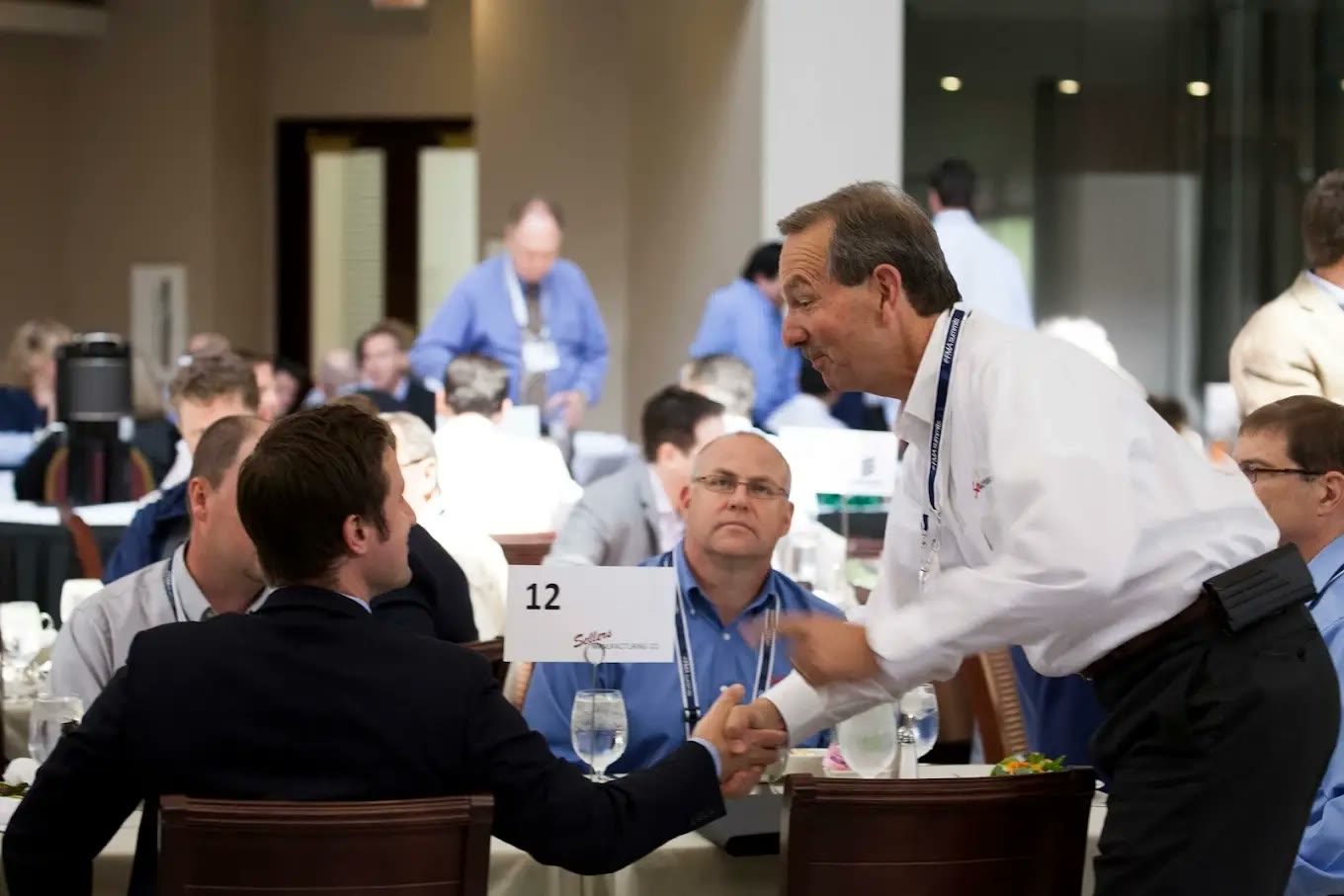

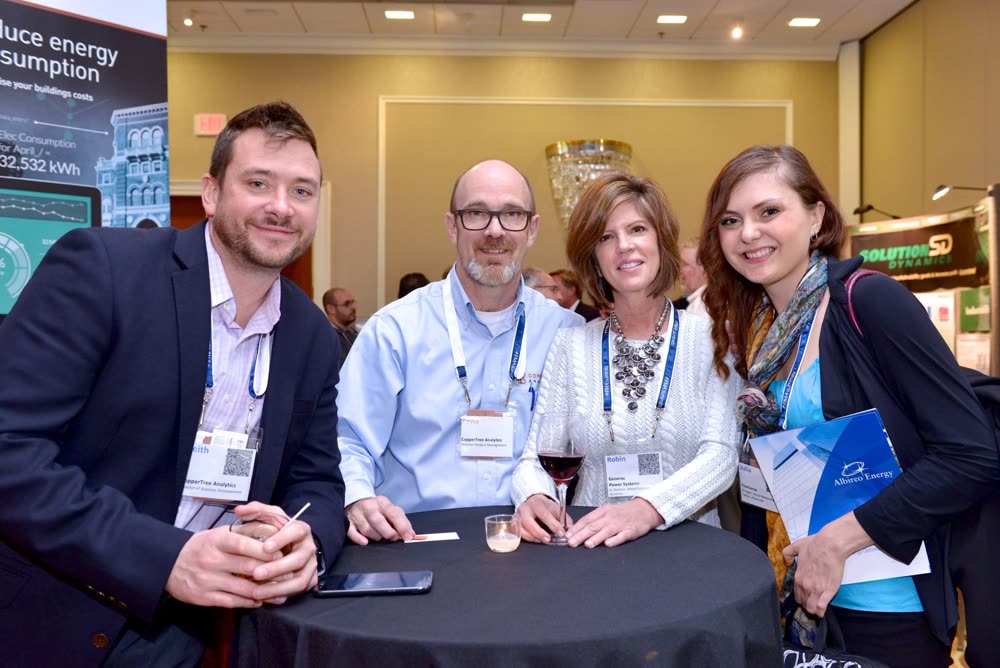
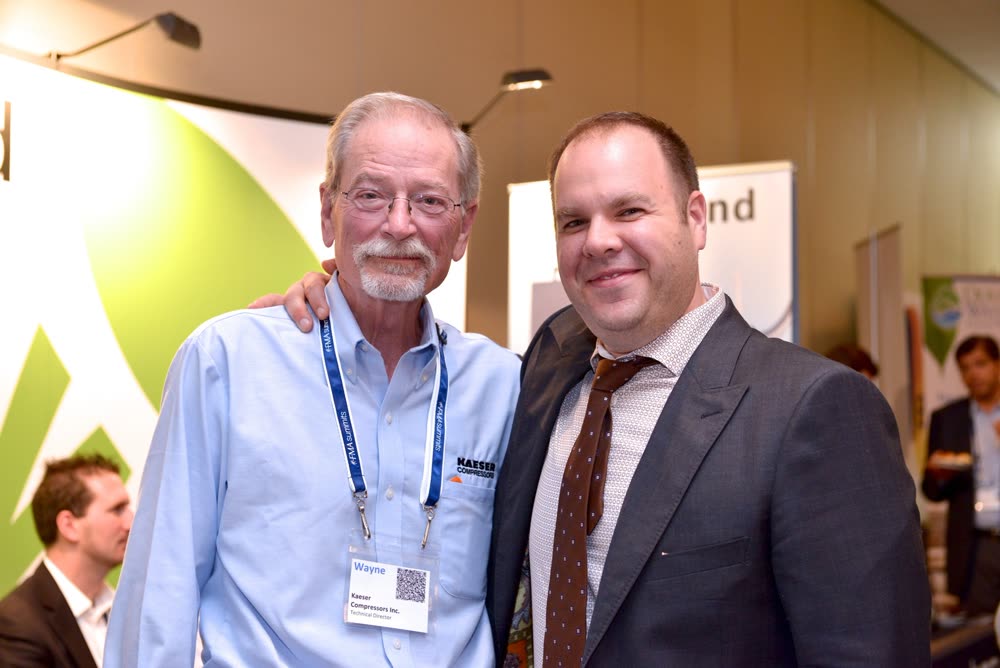
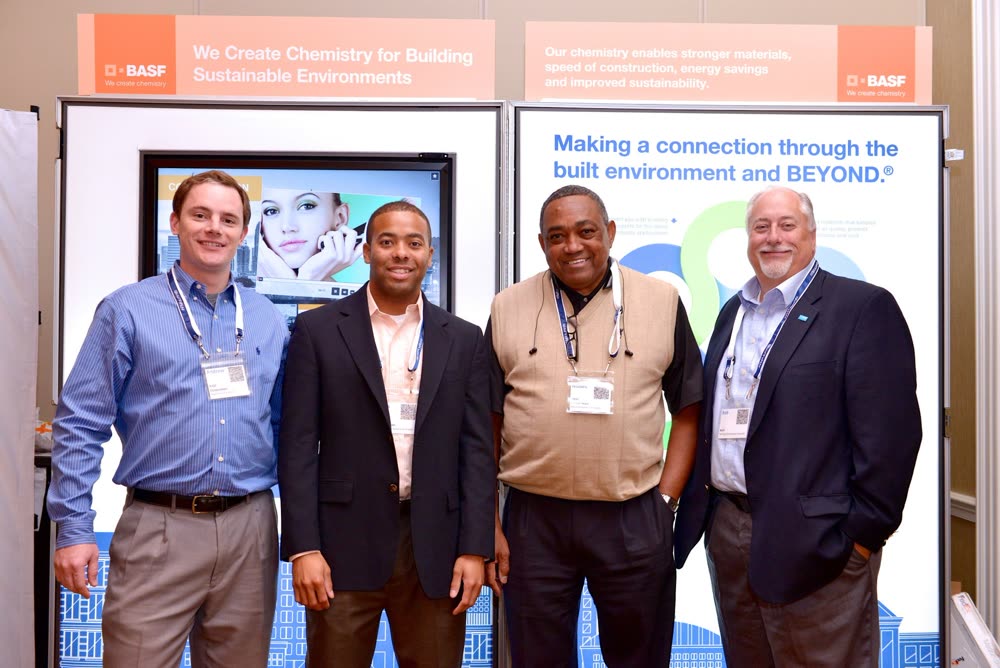
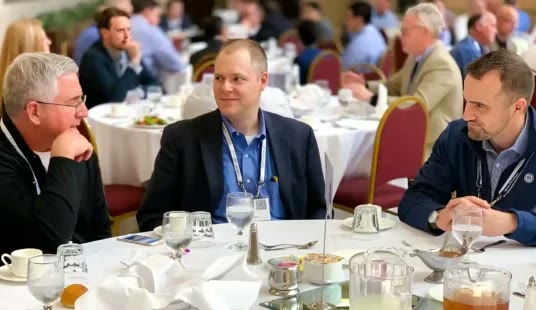
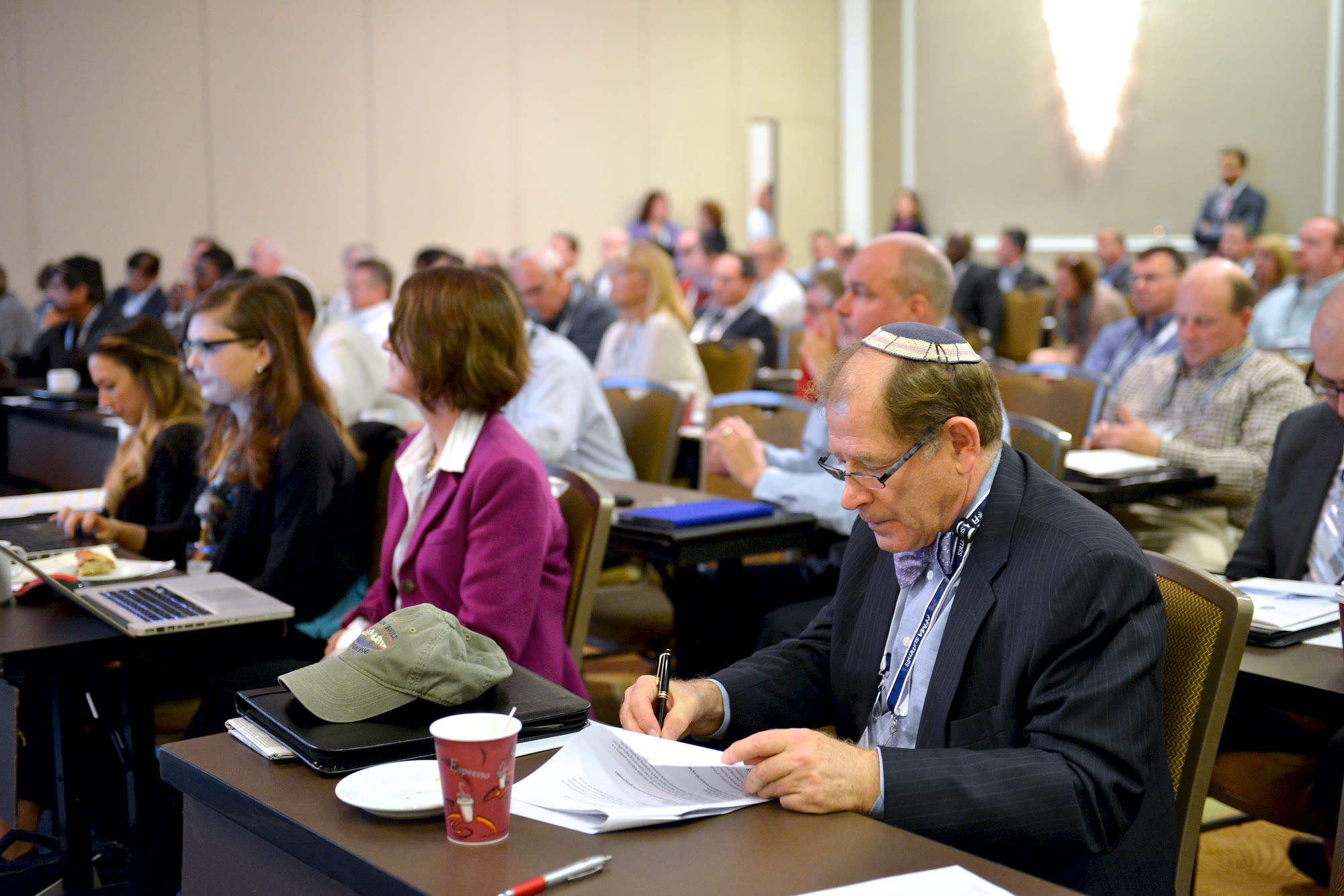
Real FMA Summit rooms. No stock photography.
Learn it from another industry. Use it in yours.
Past delegates on why a room of different facilities works: what other organizations tried, and what they took home.
“If industries can do it without the mandates, we can bring it back to the government.”
 Scott BohnhoffUnit Chief, Occupational Safety & Environmental Programs, FBI
“Other major companies that are energy users discuss their programs and best practices.”
 Al HildrethGlobal Energy Manager, General Motors
“I learned ideas other organizations had and how they were implemented.”
 Chris HomanAssistant Director, Office of Energy Management, Illinois State University
“There's been a great complement of folks here from different aspects of industry.”
 Kevin ButtGeneral Manager & Chief Environmental Officer, Toyota
“I really want to see what other corporations are doing.”
 Brendan SullivanExecutive Director of Facilities, The Estée Lauder Companies
“…what new technologies are out there and that I can bring back to my company.”
 Steve DriverEnergy Manager, Global Operations & Biologics, Sanofi
“…a great opportunity to see what others are doing, and to interface with colleagues.”
 Anthony MaiellaroCity of Chicago
“That gives me a lot of great ideas to bring back to my campus.”
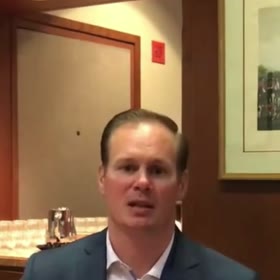 Mathew EmdenEnergy Champion, Principia College
Who has come from your industry.
Past speakers and delegates, with their titles as they registered.
Past speakers
 John BradleyAssociate Vice PresidentNew York University“Greening Washington Square Campus”
 David ReynoldsAssociate Vice President for FacilitiesUniversity of North Texas“Higher Education Facilities Challenges & Opportunities: What Business Partners Need to Know”
 Juan OntiverosAssociate VP for Utilities, Energy & Facilities ManagementUT Austin“How the University of Texas at Austin's Microgrid Supports Campus Energy Security Cost Effectively”
 Jim RileyExecutive DirectorTexas A&M University“Comprehensive Energy Management”
- Texas Wesleyan UniversityBrian FranksExecutive DirectorTexas Wesleyan University“Blue + Gold = Green. A Strategic Approach to Sustainability”
 Julie NewmanDirector of SustainabilityMIT“Sustainability at MIT: Building a Next Generation Platform for Impact”
 Aurora WinsladeDirector of SustainabilitySwarthmore College
- Texas Wesleyan UniversityJimmy GreshamDirector of FacilitiesTexas Wesleyan University“Blue + Gold = Green. A Strategic Approach to Sustainability”
See all 21 speakersShow fewer
 Stanley NolanDirector of Utilities Operations & Energy ManagementUniversity of Connecticut“Public University: Sustaining Growth and Conservation”
 Mary-Ann IbeziakoDirector of Engineering and EnergyUniversity of Maryland“The Convergence of Facilities & IT Data Center”
 Julie PaquetteDirector of Energy ManagementYale University“Yale University Energy Management: Advancing Programs for Deep Energy Renewal”
 Michael LeasureAssociate Director, Energy ConservationGeorgia Tech“Air Reduction Conservation”
 Morgan WhiteAssociate Director of Facilities & ServicesUniversity of Illinois“Illinois Climate Action Plan and Renewable Energy Development at Campus”
- University of IowaZuhair MasedAssociate Director, Utilities and Energy ManagementUniversity of Iowa“Balancing Predicted Energy Demand with Cost-Optimized Supply at The University of Iowa (with Rockwell Software)”
 Lon MirllCampus Energy ManagerTexas Tech University“Energy Data and the Transition from Deferred Maintenance to Persistent Commissioning”
 Kristin EpleySustainability Project ManagerUniversity of Colorado Boulder“Compostable Waste Collection Pilot Program”
 Tim LindquistProfessor & DeanArizona State University“ASU's Polytechnic Campus: Embracing Industry Partnerships in Delivering Professional Baccalaureate Education”
 Carol DollardEnergy EngineerColorado State University“Campus on a Carbon Diet - Sustainability Efforts at Colorado State”
 Kenneth RennelsProfessorIUPUI“Facilities Management Education Opportunities”
 Nate VerhanovitzPerformance EngineerMichigan State University“Microgrid Operations with a Large Scale Solar PV Array”
 Mathew EmdenEnergy ChampionPrincipia College“The Effectiveness of a Strategic Energy Management Program at Principia College”
Past delegates, from 98 organizations
 University of Texas at San Antonio
- Associate Vice President for Facilities
- Asst. VP for Facilities
- Utility Analyst
- Energy Manager
- Environmental & Construction Safety Manager
- Safety Specialist II
- Safety Technician II
 Governors State University
- Director of Campus Facilities Services
- Associate Vice President of Facilities Development & Management
- Chief Engineer
- Architectural Draftsman
- Assistant Chief Operating Engineering
- Analyst
- University of Maryland
- Student
- Director of Engineering and Energy
- Facility Operations Manager
- Director
- Mechanical Engineer
 Georgia Institute of Technology
- Professor of Energy Policy
- Energy Conservation
- Energy Conservation Manager
- Energy Management Manager
 Georgia Tech Research Institute
- Cyber Network Operations
- Cyber Education
- Manager, Strategy and Programs
- Sustainability Project Manager
- Texas Tech University
- Assistant VP of Operations
- Campus Energy Manager
- Energy Manager
- Engineering Services, Project/Sr Engineer
 University of Houston
- Asst. Director, Central Plants
- Executive Director
- Associate Director
- Assistant Director
 University of Texas at Austin
- Associate VP for Utilities, Energy & Facilities Management
- Associate Director
- Director, Facilities Services
- AD, Facilities Operations and Maintenance
See all 98 organizationsShow fewer
 Atlanta Public Schools
- Director, Maintenance & Operations
- Energy & Environmental Services Manager
- Maintenance & Operations Manager
 Clemson University
- Director,Utilities Services
- Energy Manager
- Sustainability Coordinator
 Cleveland State University
- AVP Administration & Operations
- Director of Facilities
- Manager - Projects & Electrical Operations
 Georgia Southern University
- Project Architect
- Director, Center for Sustainability
- Sustainability Coordinator
 Illinois State University
- Director, Office of Sustainability
- Assistant Director, Office of Energy Management
- Assistant Director, Office of Energy Mgmt.
 Roosevelt University
- Asst VP Campus Planning & Operations
- Chief Engineer
- Electrical Foreman
 Texas State University
- Director Utilities Operations
- Manager, Utility Operations and Energy
- Cca
- University of North Texas
- Associate Vice President for Facilities
- Mechanical Engineer
- Electrical Engineer
- Colorado State University
- Energy Engineer
- Campus Energy Coordinator
- MIT
- Director of Sustainability
- Senior Data Analyst
- Arizona State University
- Director of School Facilities
- Michigan State University
- Director of Sustainability
 University of Chicago
- Director Data Center Operation
- University of Colorado Boulder
- Sustainability Project Manager
- University of Connecticut
- Director of Utilities Operations and Energy Management
- Yale University
- Director of Energy Management
- Alamo CollegesAlamo Colleges
- Associate Vice Chancellor
- Facilities Superintendent
- Associate Vice Chancellor of Facilities
- Director of Administrative Services-Facilities Support
- Director of Facilities Operations
- District Master Electrician
- Administrative Services Supervisor
- Administrative Assistant
- Eastfield CollegeEastfield College
- Associate Director Facilities Maintenance Service
- Associate Director, Facilities Maintenance Services
- Associate Director Energy Management
- Kankakee Community CollegeKankakee Community College
- Dean for Environmental & Institutional Sustainability
- Maintenance Tech II
- Dean for Environmental and Institutional Sustainability
- University of MD College ParkUniversity of MD College Park
- Director- Engineering and Energy
- Facility Operations Manager
- Program Development Manager
- University of Wisconsin, MilwaukeeUniversity of Wisconsin, Milwaukee
- Director, Facility Services
- Chief Sustainability Officer
- Spouse of Greg Adams
- Adams County / Ohio Valley SchoolsAdams County / Ohio Valley Schools
- Assistant
- Head of Energy Management
- Babson CollegeBabson College
- Director of Sustainability
- Sustainability Manager
- Boston Public SchoolsBoston Public Schools
- Sustainability & Environmental Resources Manager
- Assistant Director, Facilities Management
- College of Lake CountyCollege of Lake County
- Sustainability Manager
- Business Analyst
- Columbia UniversityColumbia University
- Director of Energy Programs
- Assistant Vice President
- Dillard UniversityDillard University
- Director of Facilities Management
- Administrative Assistant
- Emory UniversityEmory University
- Utility Engineer
- Enviromental Engineer
- Furman UniversityFurman University
- Assistant VP Facilities
- Base
- Garland Independent School DistrictGarland Independent School District
- Energy Manager
- Director of Maintenance
- Gwinnett Technical CollegeGwinnett Technical College
- Instructor, Air Conditioning
- Director of Facilities
- Harvard UniversityHarvard University
- Assoc. Director of Facilities
- Building Energy Analyst
- Indiana UniversityIndiana University
- Univ Energy Management and Utilities
- Executive Vice Chancellor of Academic Affairs
- Indiana University Purdue University IndianapolisIndiana University Purdue University Indianapolis
- Professor
- Faculty
- Katy ISDKaty ISD
- Director of Energy Management
- Energy Manager
- Mansfield Independent School DistrictMansfield Independent School District
- Energy Specialist
- Energy Specialist/Manager
- Minnesota State Colleges & UniversitiesMinnesota State Colleges & Universities
- Facilities Program Manager
- Senior Planner
- North Lake CollegeNorth Lake College
- Senior Associate Director
- Assistant Director of Facilities
- Phillips Exeter AcademyPhillips Exeter Academy
- Mechanical Services Manager
- Electrician
- Ramapo College of New JerseyRamapo College of New Jersey
- Professor
- Manager, Purchasing, Madison Square Garden
- Texas Wesleyan UniversityTexas Wesleyan University
- Executive Director
- Director of Facilities Operations
- UASafeState- The University of AlabamaUASafeState- The University of Alabama
- Associate Director of Environmental Programs
- Executive Director
- University Corporation for Atmospheric ResearchUniversity Corporation for Atmospheric Research
- Sustainability Program Manager
- Sustainability Coordinator
- University of Illinois - Urbana ChampaignUniversity of Illinois - Urbana Champaign
- Director, Engineering Design Services
- Associate Director, U&ES
- University of Maine at FarmingtonUniversity of Maine at Farmington
- Director of Facilities
- Chief Business Officer
- Valencia CollegeValencia College
- Director of Sustainability
- Operations Manager Energy Efficiency
- Wentworth Institute of TechnologyWentworth Institute of Technology
- AVP/Facilities Management
- Director of Physical Plant
- Wylie Independent School DistrictWylie Independent School District
- Executive Director of Operations
- Facilities Manager
- Academy for Global CitizenshipAcademy for Global Citizenship
- Business Manager
- Allen UniversityAllen University
- President
- Alverno CollegeAlverno College
- Director of Plant Operations
- Anne Arundel County Public School SystemAnne Arundel County Public School System
- Utility Systems Program Manager
- Arlington Independent School DistrictArlington Independent School District
- Energy Management
- Auraria Higher Education CenterAuraria Higher Education Center
- Sustainability Officer
- Boone County School DistrictBoone County School District
- Energy Manager
- Chilton County Board of EducationChilton County Board of Education
- Energy Manger / Safe Schools Coordinator
- City Colleges of ChicagoCity Colleges of Chicago
- Sustainability Manager
- Dartmouth CollegeDartmouth College
- Energy Program Manager
- Del Valle Independent School DistrictDel Valle Independent School District
- Director of Maintenance and Facilities
- Ethical Culture Fieldston SchoolEthical Culture Fieldston School
- Facilities Foreman
- Fordham UniversityFordham University
- AVP Energy Management
- Georgia College & State UniversityGeorgia College & State University
- Assoc Director, Energy Management & Utilities
- Georgia State UniversityGeorgia State University
- Sustainability Program Manager
- Hutto ISDHutto ISD
- Energy Manager
- Iowa State UniversityIowa State University
- Director of Sustainability
- Leslie Shankman School CorporationLeslie Shankman School Corporation
- Director of Facilities
- Maryland Institute College of ArtMaryland Institute College of Art
- Mgr Facilities Operations
- McCombs School of BusinessMcCombs School of Business
- MBA student at the University of Texas McCombs School of Business
- Mountain View CollegeMountain View College
- Assistant Director Facilities Management
- Northeastern UniversityNortheastern University
- Sustainability Program Manager
- Northern Michigan UniversityNorthern Michigan University
- Sustainability Coordinator
- Northwest Independent School DistrictNorthwest Independent School District
- Energy Manager
- Oakton UniversityOakton University
- Sustainability Professional
- Penns Valley Area School DistrictPenns Valley Area School District
- Director of Physical Plant
- Regis Jesuit High SchoolRegis Jesuit High School
- Director of Facilities and Grounds
- Round Rock Independent School DistrictRound Rock Independent School District
- Energy Manager
- Sam Houston State UniversitySam Houston State University
- Associate VP Facilities Management
- Southern Methodist UniversitySouthern Methodist University
- Senior Director, Facility Services
- St. Vrain Valley School DistrictSt. Vrain Valley School District
- Energy & Sustainability Manager
- Stockton UniversityStockton University
- Project Manager - Engineer
- Texas Christian UniversityTexas Christian University
- Energy Manager
- Tufts UniversityTufts University
- Director of Engineering
- University of DallasUniversity of Dallas
- Director
- University of DenverUniversity of Denver
- Energy Engineer
- University of Illinois, Urbana/ChampaignUniversity of Illinois, Urbana/Champaign
- Beckman Institute Director of Facilities
- University of MinnesotaUniversity of Minnesota
- Energy Engineer
- University of Nebraska–LincolnUniversity of Nebraska–Lincoln
- Director of Facilities Management & Planning
- Virginia Beach City Public SchoolsVirginia Beach City Public Schools
- Assistant Director, School Plant, Environmental & Energy Management
- Wake Forest UniversityWake Forest University
- Director-Maintenance & Utilities
- Washtenaw Community CollegeWashtenaw Community College
- Manager of Energy & Systems Integration
Past speakers
 Wendy GettlemanVice President, Facilities Management & Real EstateDana-Farber Cancer Institute“Dana-Farber's Cutting Edge Capital Research Projects at Longwood Center”
 Walter JonesSenior Vice President, Facilities Planning and DevelopmentParkland Health and Hospital System“Facilities Planning and Development at Parkland Health and Hospital System”
 Jeff RichExecutive Director - Major Projects & Efficiency ImprovementGundersen Lutheran“Energizing Healthcare”
 Ron FrantzenExecutive Director of Facilities ManagementMcFarland Clinic“Energy Conservation Measures Affecting The Bottom Line”
 John CrouchDirector of FacilitiesAdventHealth Wesley Chapel“Arguments For Acquiring Technology”
 John GioiosoSenior Director, Corporate Building Services & Real EstateFresenius Medical Care North America“A Project Delivery Efficiency Model”
 Marcus LewisEnergy ManagerNYC Health + Hospitals“Energy Efficiency Strategies at NYC Health + Hospitals”
- Ruby CruzEnergy ManagerNYC Health + Hospitals“Energy Efficiency Strategies at NYC Health + Hospitals”
See all 9 speakersShow fewer
 Tyler WeaverCoordinator of Sustainability & Waste Management ProgramsChildren's Hospital of Philadelphia“How to Build a Sustainability Program on a Shoestring Budget”
Past delegates, from 47 organizations
- Parkland Health and Hospital System
- Senior Program Manager, PDC
- Sr. Program Manager - NPH Central Plant
- Sr. Vice President-Facilities Planning and Development
- Sustainability Engineering Coordinator
- Sr. Program Manager
- Production Manager
- Sr. Program Manager - Energy & Sustainability
- Sr. Program Mgr. For Central Plant
- Electrical Engineer
- Dana-Farber Cancer Institute
- Vice President, Facilities Management & Real Estate
- MEP Project Manager
- Director of Facilities Operations
- Senior Business Manager
 Presence Health
- Facilities Director
- Contract Administrator
- Director of Facilities
- Supervisor Plant Operations / Services
 Aurora Health Care
- Energy Program Manager
- Senior Director Facilities Operations
- Vice President Facilities Operations
 Intermountain Healthcare
- Energy Management
- Director, Program Development
- Director of Sustainability
 Norton Healthcare
- Division Director, Engineering
- Principal Engineer
- Facility Director (Suburban Norton)
 Spectrum Health
- Facilities Engineering Manager
- Senior Facilities Engineer
- Engineering Project Manager
 UT Southwestern Medical Center
- Director General Services
- Utilities Operations Manager
- Director of Utilities
See all 47 organizationsShow fewer
 CentraState Healthcare System
- Manager for Facilities Management
- Director of Environmental Services
 Froedtert Health
- Data Center Lead
- Project Manager
 Indian Health Service
- General Engineer
- Facility Manager
 Massachusetts General Hospital
- Facilities Engineer
- Energy Conservation Manager
- NYC Health + Hospitals
- Energy Manager
- Associate Facilities Director
 University of Chicago Medical Center
- Associate Director of Facilities Operations
- Facilities Engineer
 Banner Health
- Director of Environmental Health, Safety & Security
 Beth Israel Deaconess Medical Center
- Energy & Utilities Manager
 Children's Hospital Colorado
- Senior Manager, Building Systems
 Encompass Health
- Director of Facilities
- Gundersen Lutheran
- Executive Director - Major Projects & Efficiency Improvement
 Hackensack University Medical Center
- Business Development
 Memorial Sloan Kettering Cancer Center
- Energy & Sustainability Project Manager
- Brooklyn Hospital CenterBrooklyn Hospital Center
- Vice President of Facilities
- Associate Director Engineering
- Holy Name Medical CenterHoly Name Medical Center
- Vice President Facilities
- Director Plant Maintenance
- Loyola University Medical CenterLoyola University Medical Center
- Administrative Director of Engineering, Planning, Design & Construction
- Administrative Director Engineering
- Medical College of WisconsinMedical College of Wisconsin
- Director of Engineering and Maintenance
- Building Control Systems / Maintenance Operations Manager
- Medical University of South CarolinaMedical University of South Carolina
- Facility Operations Manager
- Sustainability Manager
- Methodist HospitalsMethodist Hospitals
- Director Facilities
- Vice President Government & External Affairs
- Peninsula Regional Medical CenterPeninsula Regional Medical Center
- Executive Director for Facilities
- Project Manager
- South Shore Medical CenterSouth Shore Medical Center
- Supervisor Site Management
- Support Services Supervisor
- Streamwood Behavioral Health SystemsStreamwood Behavioral Health Systems
- Director of Plant Operations
- Facilities Manager
- Advocate Health CareAdvocate Health Care
- Manager of Energy Solutions
- Audie L. Murphy Veteran's HospitalAudie L. Murphy Veteran's Hospital
- Energy Manager
- Denver HealthDenver Health
- Director of Engineering
- Exempla St. Joseph HospitalExempla St. Joseph Hospital
- Director of Facilities
- Memorial Hospital South BendMemorial Hospital South Bend
- Director Facilities Services
- Mercy HealthMercy Health
- Executive Director Energy/Sustainability
- Muskogee Community HospitalMuskogee Community Hospital
- President
- Newton Wellesley HospitalNewton Wellesley Hospital
- Director of Engineering & Facilities
- OSF HealthCareOSF HealthCare
- Corporate Director of Facilities Operation
- St. Anthony Summit Medical CenterSt. Anthony Summit Medical Center
- Director of Facilities
- St. Luke's Health NetworkSt. Luke's Health Network
- Director Facilities
- Texas A&M Health Science CenterTexas A&M Health Science Center
- Senior Electrical Engineer
- Uintah Basin Medical CenterUintah Basin Medical Center
- Director of Engineering
- UMass Medical SchoolUMass Medical School
- Sustainability & Energy Manager
- University Health SystemUniversity Health System
- Project Manager/Quality Assurance Inspector
- University of Arkansas for Medical SciencesUniversity of Arkansas for Medical Sciences
- Energy Manager
- UT Health Science Center at San AntonioUT Health Science Center at San Antonio
- Plant Manager
Past speakers
 Joyce MihalikVice President Integrated Design ServicesForest City Realty Trust“The Role of Integrative Design in High Performance Real Estate”
 Kim Saylors-LasterVice President of EnergyWalmart“Sustainability, Efficiency and Renewable Energy at Walmart”
- AnthemHakon MattsonDirector of Energy and SustainabilityAnthem“How Anthem Reduced Annual Utility Costs by $1.5 million in One Year”
 Bob ManningDirector of Energy and Industrial FacilitiesH-E-B“Aggressive Commercial Demand-side Energy Management: Successes and Challenges”
 Anthony SpataDirector of Building Systems Design - AmericasHyatt Hotels Corporation“Harmonizing Comfort, Cutting-Edge Design and Energy Efficiency Strategies”
 Paul CampbellDirector, SustainabilitySears Holdings Corporation“Sears Holdings Corp Sustainability: Strategy and Initiatives”
- Turner PropertiesJohn HesterDirector Design EngineeringTurner Properties“How did CNN Center Increase Utility Costs 175% and win an energy award?”
 Menno EntersDirector, Energy & SustainabilityWalgreens“PURE Walgreens - A case for sustainability”
See all 16 speakersShow fewer
 Gregory ClarkDirector of Construction & Facilities ManagementWhite Castle“White Castle LEED facility and Environmental Sustainability Programs”
- Wyndham WorldwideJonathan LeeDirector of Energy SolutionsWyndham Worldwide“Wyndham Green”
 John SchulzSr. Manager, EnergyAT&T“The AT&T Energy Program - Driving Visibility, Accountability and Progress in a Large Organization”
- Tim FlemingSenior Project Manager - Sustainability OperationsAT&T“AT&T/EDF Water Efficiency Toolkit: Making the Case for Water Efficiency in Cooling Systems”
 Gary LevitanSenior Manager of Energy & UtilitiesHudson's Bay Company“Servicing, Delighting, Hosting, and Entertaining: ...And We Have to Give You Sustainability, Too?”
 Peter RichterConstruction and Corporate Energy ManagerSysco“Sysco Corp. Energy Management Program/Success story”
- Nicholas FiniaSenior Manager, Maintenance, Energy & FM Capital Initiatives, Supply ChainsWalgreens“Distribution Centers - Harvesting Untapped Energy Cost Savings”
 Ali AhmedGlobal Energy Management and Sustainability LeaderCisco Systems“Driving Facility Performance with Big Data”
Past delegates, from 39 organizations
 JLL
- Managing Director, Energy and Sustainability Projects
- Executive Vice President
- Senior Vice President
- Senior Project Manager Energy & Sustainability Services
- International Director
- Regional Engineering Manager
- Regional Director
- Account Lead
- Engineering & Operations Manager
- VP – Sustainability Director
- Project Manager
- Sustainability Manager
- FM Program Manager
- Walgreens
- Director, Energy and Sustainability
- Manager, Energy & Utilities
- Manager, Lighting, Signage, and Electrical Systems
- Manager, Environmental and Recycling
- National Energy Manager
- Divisional VP – Construction, Facilities
- Electrical Engineer
- Manager of Sustainability
- Engineering Project Manger - Stores
- Manager, Refrigeration and Engineering
- Manager, Electrical
- Site/Civil Manager
- VP, Facilities Development Division
- H-E-B
- Sr. Mgr. Reg. Facilities Operations - HFD
- Manager EMS/QA
- Regional Business Operations Manager
- Regional Business Manager-Houston
- Facility Management Regional Business Manager
- Energy Manager
- Mechanical Engineer
- Graduate Engineer
- Manager of San Antonio Facility Services
- Senior Manager - Business Operations
- Director of Facilities Management
- Director of Energy & Industrial Facilities
- Sears Holdings Corporation
- Director-Environmental Sustainability
- Manager-Environmental Sustainability
- Director, Sustainability
- Manager, Sustainability
- Manager, Energy
- Director Sustainability
- Manager, Energy Services Sears Retail
- Energy Manager Sears Retail
- Director of Energy
- Manager, Energy Services
- AT&T
- Senior Project Manager - Sustainability Operations
- Project Manager - Design & Construction
- Senior Project Manager
- RPA Property Management
- Director, Energy
- Sr. Manager, Energy
- Sr. Manager, Energy and Sustainability
 CBRE
- Director of CR
- Regional Facilities Manager
- Senior Director
- Senior Program Manager
- Operations Engineer
- Assistant Facilities Manager
 JM Family Enterprises
- Environmental Specialist
- Regional Director of Facilities
- E,H&S Director
- Building and Facilities Manager
- Environmental Director
- Safety Manager
 Cushman & Wakefield
- Director of Critical Systems and Project Management
- Assistant Facility Manager
- Energy & Sustainability Manager
- Assistant Facilities Manager
- Director of Engineering and Operations
See all 39 organizationsShow fewer
 Sleepy's
- Director of Construction and Facilities
- Director of Facilities Management & Purchasing
- Senior Manager, Store Operations- R & M
- Store Facilities Manager
- Facilities System Coordinator
 Cox Enterprises
- Manager, Energy Conservation
- Energy Conservation Engineer
- Assistant VP, Energy & Engineering
- Director of Engineering & Alternate Energy
- Cisco Systems
- Global Energy Management and Sustainability Leader
- Global Energy and Sustainability Manager
- Workplace Change Management Leader
 Gordon Food Service
- Director of Warehousing
- Facilities Management
- Director DC Development
 Home Depot
- VP Environmental Innovation
- Sr. Manager Eco Options
- Energy Manager
- Hyatt Hotels Corporation
- Director of Building Systems Design - Americas
- Dir. of Hotel Engineering - Americas
- Dir. of Energy Management - Americas
 Macy's
- VP Energy Management
- VP, Energy Management
- Director, Energy Management
 Pearson
- Facilities Supervisor
- Facility Manager
- Sr. Maintenance Tech
 TTX Company
- Senior Manager of Facilities Planning and Maintenance
- Site Manager - Corporate Services
- Facilities Coordinator
 Associated Bank
- VP Regional Facilities Manager, Corporate Facilities
- VP Engineering Systems
 CVS
- Operations Manager
- Operations Manager of Facilities/Dispensing
 Dollar Tree
- Director Property Management
- Energy Manager Coordinator
 General Growth Properties
- Senior Director Energy Management
- SVP Energy & Sustainability
 McDonald's
- Global Energy Director
- Sustainability Manager
 MetLife
- Global Sustainability Director
- Sustainability Analyst
 Office Depot
- Energy Manager
- Environmental Program Manager
 BMO Financial Group
- Vice President - Senior Manager CRE US Facilities Management
 Kroger
- Energy Engineer
 Starbucks
- Director - Environmental Impact
 Target
- Sr. Manager Energy
- Walmart
- Vice President of Energy
- United StationersUnited Stationers
- Vice President Engineering
- Manager Facility Engineering
- Director of Sustainability
- Manager, Facility Engineering & Technology
- Director Sustainability
- Manager, Facility Engineering
- Turner PropertiesTurner Properties
- Director HVAC Engineering
- Director Design Engineering
- Vice President Facilities Operations
- Alpine BankAlpine Bank
- Vice President & Green Team Chair
- Facilities Officer
- Vectra Bank ColoradoVectra Bank Colorado
- Property & Purchasing Manager
- Sr. Facilities Admin.
- Xanterra Parks & ResortsXanterra Parks & Resorts
- Director of Sustainability
- Corporate Director of Sustainability
- Bridgestone Retail OperationsBridgestone Retail Operations
- Director, Design
- Chipotle Mexican GrillChipotle Mexican Grill
- Design Director
- InterContinental Hotels GroupInterContinental Hotels Group
- Director - Corporate Responsibility - Sustainability
- The Tower CompanyThe Tower Company
- Sustainability Analyst
- Unico PropertiesUnico Properties
- Sustainability Project Manager
Past speakers
 Chuck GrosbierDirector, Technical OperationsDigital Realty“Backup Power Systems from Cummins Help Digital Realty Convert Old into New”
 Nick MagliatoCOOSunGard Availability Services“Avoiding the Cost of Downtime- How Colocation Can Help Your Organization Achieve High Availability”
 Joel StoneVP, Global Data CentersSavvis“The Greening Of Our Chicago Data Center”
- Drew LeonardVP Colocation Product ManagementSavvis“The Greening Of Our Chicago Data Center”
- Raymond ParpartSenior Consultant, Data Center OperationsUniversity of Chicago“Energy Efficiency Competes With Escalating Compute Demands in the Academic Environment”
Past delegates, from 6 organizations
- Savvis
- VP, Global Data Center Operations
- Facilities Manager
- Data Center Manager
- Lead Mechanical Engineer
- Regional Mechanical Engineer
- Lead Electrical Engineer
 Rackspace
- Data Center Director
- Facility Design Engineer
- Director Sustainability
- Sustainability Manager
- Project Engineer
 Equinix
- Engineering Staff Director
- Senior Manager, Facility Operations
- SunGard Availability Services
- Chief Operations Officer
- VP Technical Service Delivery Midwest
 CoreSite
- building manager
- Digital Realty
- Director, Technical Operations
Past speakers
 Stephen T. AyersArchitect of the CapitolArchitect of the Capitol“Applying Sustainable Practices at the U.S. Capitol”
 Howard E. Snow IIIDeputy Assistant Secretary of the Navy (Installations and Facilities)U.S. Navy“The Navy and Renewable Energy”
- Philip CullomRear Admiral, Director for Fleet Readiness, Navy StaffU.S. Navy“The Navy and Renewable Energy: An in depth look into the Navy's comprehensive renewable energy and retrofit program”
 Tom SamraVice President, FacilitiesUnited States Postal Service“USPS Energy Management Program”
- Thomas DayChief Sustainability OfficerUnited States Postal Service“Green Roof Project -- Syracuse NY”
 Bomee JungVice-President for Energy and SustainabilityNew York City Housing Authority“NextGeneration NYCHA Sustainability Agenda: Comprehensive Sustainability Planning In A Large Residential Portfolio”
 Scott BohnhoffUnit Chief, Occupational Safety and Environmental ProgramsFederal Bureau of Investigation“Sustainability Efforts at FBI: Struggles and Early Accomplishments”
 Lance DavisArchitect, Sustainable Design ExpertU.S. General Services Administration (GSA)“Sustainability Matters at GSA”
See all 35 speakersShow fewer
 Elizabeth DutrowDirector, Industrial Sector Partnerships, ENERGY STARU.S. Environmental Protection Agency“Energy Strategy for the Road Ahead”
- Milwaukee Metropolitan Sewerage DistrictKaren SandsDirector of Planning, Research & SustainabilityMilwaukee Metropolitan Sewerage District“Sustainable Water Reclamation at the Milwaukee Metropolitan Sewerage District”
- National Renewable Energy LaboratoryFrank RukavinaDirector of SustainabilityNational Renewable Energy Laboratory“Sustainability and Energy Management at the DOE's National Renewable Energy Laboratory”
 Courtney ManrodDirector of Facilities Strategic PlanningOak Ridge National Laboratory“Oak Ridge National Laboratory's Sustainable Campus Initiative”
 Alicia HuntDirector of Energy & EnvironmentCity of Medford, Massachusetts“Knowledge is Power (Savings)”
- Hartsfield-Jackson Atlanta International AirportCharles MarshallDirector Asset ManagementHartsfield-Jackson Atlanta International Airport“Asset Management Efficiencies in Aviation”
- NYC Mayor's Office of SustainabilityJohn LeeDeputy DirectorNYC Mayor's Office of Sustainability“Accelerating towards an Energy Efficient Future for New York City - the Road to 80x50”
 Douglas KaempfProgram Manager, Industrial Technologies ProgramU.S. Department of Energy
- Catherine ShawEnvironmental Protection Program ManagerFederal Bureau of Investigation“Sustainability Efforts at FBI: Struggles and Early Accomplishments”
 Charlie HeinNational Energy Program ManagerFederal Bureau of Prisons“The Federal Bureau Of Prisons, Benefits Of Alternative Financing”
- Kristin PierreFounder and Manager, Green Suppliers NetworkU.S. Environmental Protection Agency“Green Suppliers Network: views from the program provider, a participant, and a program champion”
 Sheila McNamaraSustainability ManagerHillsborough County“Serving Sustainably”
 Jack MiznerManager, Corporate Planning and Strategic PartnershipsSandia National Laboratories“Reducing Energy at a National Laboratory - Making the Right Choices”
 Mel HendricksCorporate Energy Program ManagerAAFES (Army and Air Force Exchange Service)“The Exchange Organizes and Uses Federal Sustainability Policies”
- Paul E. ScheihingTechnology Manager, Office of Energy Efficiency and Renewable EnergyU.S. Department of Energy“DOE Data Center Energy Efficiency Program; Save Energy Now Partnerships with Industry”
- Kevin MylesProgram Manager and Sustainability CoordinatorU.S. General Services Administration (GSA)“Sustainability, energy efficiency and good business decisions”
- Terry LogeeTechnology Development ManagerU.S. Department of Energy“DOE's Commercial Building Energy Alliances - Moving Toward Zero Energy Buildings”
- Verena RadulovicProgram Manager, Climate LeadersU.S. Environmental Protection Agency“Blending Energy Efficiency, Economy and Environmental Performance Down Main Street (E3 panel)”
- Tom MurraySenior Scientist, Pollution Prevention ProgramU.S. Environmental Protection Agency“Green Suppliers Network - Lean and Clean”
- James QuinnTechnology Delivery Team Leader, Industrial Technologies ProgramU.S. Department of Energy
 Dr. Noah GoldsteinScientific Lead for Site SustainabilityLawrence Livermore National Laboratory“Advancing Science while Achieving Goals; Sustainability at LLNL”
- Maryland Energy AdministrationMichael LiChief of StaffMaryland Energy Administration“Maryland's Sustainable Energy Future: Clean, Affordable and Reliable”
- Buddy PolovickTeam Leader, SmartWay Transport PartnershipU.S. Environmental Protection Agency“SmartWay 2.0, Transportation Supply Chain Sustainability”
- Ronald RobbinsSustainability Performance Management SpecialistUnited States Postal Service“A Snapshot of the Postal Service's Comprehensive Waste Management Sustainability Strategy”
 Jairo GarciaSustainability Management AnalystCity of Atlanta“Power to Change: Ready.Set.Realize”
 Erin MillerEnvironmental StewardCity of Columbus“Blending Energy Efficiency, Economy and Environmental Performance Down Main Street (E3 panel)”
 Samuel C. SteeleAdministrator of Sustainability ProgramsCity of Fort Worth“Development, Implementation, & Tracking”
Past delegates, from 98 organizations
 Argonne National Laboratory
- Data Center Facility Manager
- Manager, Engineering
- Mechanical Engineer
- Business Development Executive
- Decision Information Science Division, Energy/Environment Leader
- Environmental Science Team Lead
- Industry Outreach Lead
- LakeSim co-Principal Investigator
- Systems Engineer
- Metering/Controls Engineer
- Parallel Co-Op
- Federal Bureau of Investigation
- Unit Chief, Occupational Safety and Environmental Programs
- Energy Program Manager
- Sustainability Program Manager
- Environmental Protection Program Manager
- Occupational Safety & Environmental Programs Unit Chief
- Unit Chief - Occupational Safety and Env'tal Progrms
- Safety and Environmental Training Coordinator
- City of Atlanta
- Director of Sustainability
- Energy Manager
- Director City of Atlanta Office of Sustainability
- Urban Sustainability
- Office of Sustainability Project Manager
- Deputy Director
- United States Postal Service
- Chief Sustainability Officer
- Manager Regional Sustainability Initiatives
- Manager-Environmental Management and Risk Management
- Sustainability Performance Management Specialist
- Sustainability Project Integration Specialist
- Manager, Environmental Compliance/Risk
 Port Authority of NY and NJ
- Sr Program Manager
- Energy Management Specialist
- Principal Energy Analyst
- Energy Analyst
- U.S. General Services Administration (GSA)
- Building Specialist
- Program Manager-Sustainability Coordinator
- Energy Engineer
- Regional Commissioner, Public Building Services Region 7
- AAFES (Army and Air Force Exchange Service)
- Corporate Energy Program Manager
- Energy Project Manager
- Program Manager, New Construction
 Brookhaven National Lab
- Project Engineer
- Energy & Utilities Manager
- Sr. Project Engineer
See all 98 organizationsShow fewer
 Georgia Department of Natural Resources
- Director, Engineering and Construction
- Project Assistant
- Assiatnt Director - Sustainability Division
- Sandia National Laboratories
- Deputy Director of Facilities
- Energy Manager
- Director, Facilities Management & Operations
- U.S. Department of Energy
- Facilities Engineer
- Facilities & Infrastructure Program Lead
- F&I Program Lead
 City of Boston
- Energy Manager
- Energy Finance Manager
 Defense Logistics Agency
- Project Integration Specialist
- Chief, Technical Programs
- Federal Bureau of Prisons
- Chief, Facilities Program
- Energy Program Manager
- Oak Ridge National Laboratory
- Director Facility Strategic Planning
- Director of Energy Efficiency
- Architect of the Capitol
- Architect of the Capitol
 Chicago Transit Authority
- Manager, Environmental Affairs
- City of Columbus
- Environmental Steward
- Lawrence Livermore National Laboratory
- Scientific Lead for Site Sustainability
- New York City Housing Authority
- Vice-President for Energy and Sustainability
- U.S. Environmental Protection Agency
- Program Manager
- Centers for Disease Control & PreventionCenters for Disease Control & Prevention
- Chief Sustainability Officer
- Director, Asset Management Services
- Architect/Sustainable Buildings Coordinator
- ORISE Fellow
- Sustainability Specialist
- Naval Facilities Engineering CommandNaval Facilities Engineering Command
- Director Public Works
- Deputy Director Public Works (Energy Development)
- Supervisory Civil Engineer
- Engineer
- Miami-Dade Aviation Dept.Miami-Dade Aviation Dept.
- Asst. Aviation Director, Facilities Management Division
- Division Director III, Facilities Management
- Division Director, Civil-Environmental Engineering
- Town of ConcordTown of Concord
- Energy Specialist
- Facilities Director
- Director of Sustainability
- U.S. Dept. of AgricultureU.S. Dept. of Agriculture
- Director of Operations
- Director Facilities Management
- Sustainable Operations Manager
- Bexar County Facilities & ParksBexar County Facilities & Parks
- Division Chief, County Facilities
- Energy Manager
- City of Chicago - Dept. Of EnvironmentCity of Chicago - Dept. Of Environment
- Environmental Engineer II
- Assistant Project Director
- City of LaredoCity of Laredo
- Assistant Director
- Director Environmental Services
- City of New BedfordCity of New Bedford
- Director of Facilities and Fleet Maintenance
- Superintendent of Facilities
- Hartsfield-Jackson International AirportHartsfield-Jackson International Airport
- Director Asset Management
- Facility Project Planner
- Leon CountyLeon County
- Recycling & Sustainability Manager
- Facilities Superintendent
- Metropolitan Area Planning CouncilMetropolitan Area Planning Council
- Energy Strategist & Procurement Specialist
- Director of Clean Energy
- National Renewable Energy LaboratoryNational Renewable Energy Laboratory
- Director of Sustainability
- Operations Director
- NYC Dept. of Parks and RecreationNYC Dept. of Parks and Recreation
- Director of Sustainable Facilities
- Energy Manager
- Scott Air Force BaseScott Air Force Base
- Environmental Engineer
- Energy Manager
- US Army Corps Of EngineersUS Army Corps Of Engineers
- LEED Program Manager
- Electrical Engineer
- Air Force Center for Engineering & EnvironmentAir Force Center for Engineering & Environment
- Chief, Planning & Design Standards
- City & County of Denver, Dept. of Environmental HealthCity & County of Denver, Dept. of Environmental Health
- Climate & Policy Analyst
- City of BethlehemCity of Bethlehem
- Director of Facilities
- City of Blue IslandCity of Blue Island
- Sustainability Coordinator
- City of BoulderCity of Boulder
- Business Sustainability Coordinator
- City of ChattanoogaCity of Chattanooga
- Facilities Operations Manager
- City of Chicago Department of AviationCity of Chicago Department of Aviation
- Projects Administrator
- City of Chicago DOECity of Chicago DOE
- Deputy Commissioner
- City of DentonCity of Denton
- Conservation Program Coordinator
- City of Fort CollinsCity of Fort Collins
- City Sustainability Coordinator
- City of Fort Worth, TexasCity of Fort Worth, Texas
- Administrator of Sustainability Programs
- City of HaverhillCity of Haverhill
- Energy Manager
- City of LakewoodCity of Lakewood
- Sustainability Division Manager
- City of Medford, MACity of Medford, MA
- Director of Energy & Environment
- City of MelroseCity of Melrose
- Energy Efficiency Manager
- City of New BraunfelsCity of New Braunfels
- Facilities Manager
- City of PhiladelphiaCity of Philadelphia
- Energy Manager
- City of Plano, TexasCity of Plano, Texas
- Facilities Division Manager
- City of WorcesterCity of Worcester
- Chief Clerk of Works
- Colorado Army National GuardColorado Army National Guard
- Mechanical and Energy Engineer Program Mgr
- Colorado Department of AgricultureColorado Department of Agriculture
- Energy Grants Program Administrator
- Colorado Department of Public Health & EnvironmentColorado Department of Public Health & Environment
- Environmental Leadership Program
- Colquitt County Board of CommissionersColquitt County Board of Commissioners
- Maintenance Superintendent
- Dallas/Fort Worth International AirportDallas/Fort Worth International Airport
- VP Environmental Affairs
- Department of Economic Development/Division of EnergyDepartment of Economic Development/Division of Energy
- Environmental Manager
- DoD/Air Force/HQ AMCDoD/Air Force/HQ AMC
- Command Energy Manager/Utility Engineer
- Fort Gordon DPW/mcfaFort Gordon DPW/mcfa
- Resource Efficiency Manager
- Idaho National LaboratoryIdaho National Laboratory
- Director
- Illinois Department of Commerce and TradeIllinois Department of Commerce and Trade
- Director for International Trade and Investment
- Jefferson LaboratoryJefferson Laboratory
- Energy Manager
- Jesse Brown VAMC, Department of Veterans AffairsJesse Brown VAMC, Department of Veterans Affairs
- Energy Manager
- King County MetroKing County Metro
- Power Distribution Superintendent
- La Department of Natural ResourcesLa Department of Natural Resources
- Assistant Director Energy
- Landrum & Brown/Dept of AviationLandrum & Brown/Dept of Aviation
- Vice President
- Los Alamos National LaboratoryLos Alamos National Laboratory
- Engineering Manager
- Metro Atlanta Rapid Transit Authority (MARTA)Metro Atlanta Rapid Transit Authority (MARTA)
- Director of Architecture & Design
- Miami Dade CountyMiami Dade County
- Sustainability Program Manager
- NJ TransitNJ Transit
- Manager, Energy & Sustainability
- Office of the Secretary of the NavyOffice of the Secretary of the Navy
- Deputy Assistant Secretary of the Navy (Installations and Facilities)
- Palm Beach County Fac. Mgmt.Palm Beach County Fac. Mgmt.
- Regulatory Specialist
- State of IllinoisState of Illinois
- Lieutenant Governor
- State of Illinois - Dept. of Commerce & Economic OpportunityState of Illinois - Dept. of Commerce & Economic Opportunity
- Acting Energy Division Manager
- U.S. ArmyU.S. Army
- Chief, Army Environmental Division
- U.S. Border Patrol, Facilities Maintenance and EngineeringU.S. Border Patrol, Facilities Maintenance and Engineering
- Facility Manager
- U.S. Coast GuardU.S. Coast Guard
- Chief Facility Engineering
- U.S. Department of DefenseU.S. Department of Defense
- Facilities Energy Director
- U.S. Department of Defense National Security AgencyU.S. Department of Defense National Security Agency
- Green Initiative Manager
- U.S. Department of Energy - Pacific Northwest National LaboratoryU.S. Department of Energy - Pacific Northwest National Laboratory
- Senior Energy Specialist
- U.S. Department of Energy - Princeton Plasma Physics LabU.S. Department of Energy - Princeton Plasma Physics Lab
- Head, Material & Environmental Services Division
- U.S. Department of Energy -FEMP (Federal Energy Management Program)U.S. Department of Energy -FEMP (Federal Energy Management Program)
- Program Manager
- U.S. Department of the Army - Environmental ProgramsU.S. Department of the Army - Environmental Programs
- Chief, Sustainability Branch, Army Environmental Programs
- U.S. Department of the Interior, BIA - ASIAU.S. Department of the Interior, BIA - ASIA
- General Engineer & Energy Manager
- U.S. Dept. of EnergyU.S. Dept. of Energy
- Director - Facility Policy
- U.S. Energy EngineersU.S. Energy Engineers
- President
- U.S. Environmental Protection Agency - Office of Transportation and Air Quality SmartWay Transport PartnershipU.S. Environmental Protection Agency - Office of Transportation and Air Quality SmartWay Transport Partnership
- Team Leader
- U.S. Postal ServiceU.S. Postal Service
- VP Facilities
- U.S. State DepartmentU.S. State Department
- Chief / Operation Maintenance
- US Army ERDC-CERLUS Army ERDC-CERL
- Director ERDC-Construction Engineering Research Laboratory
- US Department of Veteran AffairsUS Department of Veteran Affairs
- Energy Manager
- US Forest ServiceUS Forest Service
- Facilities Group Lead
- Wayne County Airport AuthorityWayne County Airport Authority
- Director Infrastructure Engineering
Built around the problems you’re working on.
What facility leaders are up against this year and next, with the numbers behind it: the power bill and people in every industry, and each industry’s own. Every talk on the program answers one.
PJM's capacity price hits its cap from June 2027. Ohio, western Pennsylvania and West Virginia budgets feel it first.
Procurement, peak demand and the contract.
PJMto fill a facility-management vacancy, on average.
Keeping know-how when people leave.
IFMA, 2026of deferred capital renewal at colleges and universities, up nearly 8%.
What to repair, replace or close first.
Gordian, 2026are building a new central energy plant within the next three years.
Fix it, replace it or build new.
ASHE/HFM, 2026to get a grid connection in primary data center markets.
Deliverable power, on site and on the grid.
JLL, 2026Fixed a problem that isn’t on this list? Propose it for the program.
Propose a talk
Facility leaders come to hear how other facilities fixed it.
The program starts with the problems every facility shares, then each industry’s own. Every talk is a project a facility actually finished, presented by the leader who ran it. Every session below is open. If you’ve solved a problem like these, your story belongs here.
Every facilityThe 2027–28 power-bill war room: capacity charges, peak demand and contract trapsSpeaker wanted
PJM's capacity price hits its $333.44/MW-day cap from June 2027.
The problem: Capacity charges reach bills from June 2027 across Ohio, western Pennsylvania and West Virginia, and most contracts pass them straight through.
We’re looking for: A building or portfolio that cut peak demand or re-bid its supply, with the before-and-after numbers.
Every facilityWhen your best technician leaves: keeping buildings running without losing what they knowSpeaker wanted
A facility-management vacancy takes 17 weeks to fill on average (IFMA, 2026).
The problem: Retirements and turnover take undocumented know-how with them.
We’re looking for: A campus or district that built a training pipeline or captured know-how before it walked out the door.
Every facilityNo unmanaged outside access: securing the building controlsSpeaker wanted
Building automation systems are now a common way into a company network.
The problem: Contractors and service companies reach the controls remotely, often with shared passwords nobody tracks.
We’re looking for: A team that inventoried and locked down remote access to its building systems.
Universities and schoolsThe $156-per-square-foot problem: what to repair, replace or close firstSpeaker wanted
Deferred capital renewal at colleges is $156 per square foot, up nearly 8% (Gordian, 2026).
The problem: Backlogs grow faster than budgets, and every board asks why this roof and not that boiler.
We’re looking for: A campus or district that rebuilt its capital plan around condition data and got it funded.
Universities and schoolsSafe water, working HVAC, open buildings: ready for the 2027 school yearSpeaker wanted
Nearly one in five districts cancelled school over a facilities issue in 2024–25 (GAO, 2026).
The problem: HVAC failures, air quality and water problems close schools, and students lose learning days.
We’re looking for: A district that fixed chronic HVAC, air or water problems and stopped losing school days.
HospitalsReplacing air handlers in a building that never closesSpeaker wanted
Air handlers are the No. 1 equipment project in the next 12 months: 20% of respondents (ASHE/HFM, 2026).
The problem: Air handlers serve ORs, isolation rooms and patient floors that can't lose air or pressure.
We’re looking for: A hospital that replaced or upgraded air handlers in occupied areas without affecting care.
HospitalsSurvey-ready every day: the testing and maintenance evidence surveyors ask forSpeaker wanted
Inspection, testing and maintenance records are what a survey checks first.
The problem: Generator tests, utility-system records and life-safety documents live in too many places.
We’re looking for: A team that keeps its testing and maintenance records survey-ready all year, not the week before.
Commercial buildingsStop paying for empty floors without breaking peak daysSpeaker wanted
89% of companies surveyed require at least three office days a week, up from 78% (CBRE, 2026).
The problem: Floors run full on Tuesday to Thursday and near empty the rest of the week, and the systems run as if every day were full.
We’re looking for: A building or campus that matched heating, cooling, cleaning and space to how people actually use it.
Commercial buildingsThe warehouse retrofit that doesn't stop shipping: power, controls, dock safety and contractor accessSpeaker wanted
Distribution centers can't close for a retrofit.
The problem: Lighting, power, docks and controls have to be upgraded while trucks keep moving.
We’re looking for: A distribution center that finished a major retrofit without losing throughput.
Data centersYou need power in 2027. The grid has other plans.Speaker wanted
Grid connections take over four years in primary markets (JLL, 2026).
The problem: New capacity is waiting on the utility, and on-site generation, storage and phased energization all have trade-offs.
We’re looking for: A data center that got deliverable power sooner, and what it took.
Data centersThe $1 million outage: rehearse the failure before you live itSpeaker wanted
57% of respondents said their last major outage came to more than $100,000; one in five more than $1 million (Uptime Institute, 2026).
The problem: Transfers, generators and switching procedures fail when they haven't been tested under load.
We’re looking for: A team that ran a real failure drill, found the weak link and fixed it.
- Open slotYour project goes here.Propose it
Thursday and Friday. Home Friday afternoon.
Same two days in Columbus and Detroit: 20-minute talks by peers, the meetings you picked, and meals at a table of people like you. Not a trade show.
Thursday
- Breakfast at assigned tables
- 20-minute talks by facility leaders
- Coffee and shop talk
- 20-minute talks by facility leaders
- Lunch at assigned tables
- 20-minute talks by facility leaders
- The meetings you picked, 20 minutes each
- Coffee and shop talk
- 20-minute talks by facility leaders
- Reception, then dinner at assigned tables
Friday
- Breakfast at assigned tables
- 20-minute talks by facility leaders
- The meetings you picked, 20 minutes each
- 20-minute talks by facility leaders
- Closing lunch
- Last talks, then head home



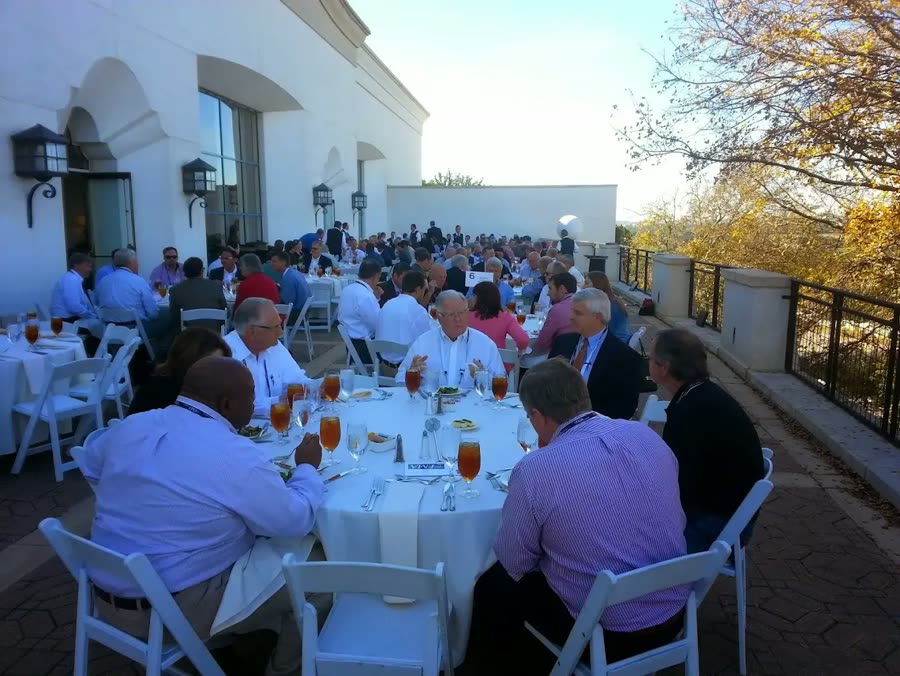
Photos are real FMA Summit rooms. No stock photography.
Your questions, answered by delegates.
Past FMA delegates on camera, in their own words: facility leaders from universities and from other industries. Each one is under a minute.
Brendan Sullivan, Estée Lauder · Stan Nolan, University of Connecticut · Mathew Emden, Principia College 0:38
David Muzzy, Texas Christian University · Al Hildreth, General Motors · Kevin Butt, Toyota · Brendan Sullivan, Estée Lauder 0:42
Jamie Meyers, Walgreens · Steve Driver, Sanofi · Stan Nolan, University of Connecticut 0:43
Chauncey Jenkins, University of Maryland · Jamie Meyers, Walgreens · Steve Driver, Sanofi 0:38
David Muzzy, Texas Christian University · Mathew Emden, Principia College · Jamie Meyers, Walgreens 0:32
Brendan Sullivan, Estée Lauder · Scott Bohnhoff, FBI · Mathew Emden, Principia College 0:49
And only the solution providers you pick.
FMA brings in a short list of solution providers from a range of industries to help with these problems. You choose which ones you meet.
- Tell us what you’re working on.Before the summit, in a few lines.
- Choose who you want to meet.Both sides accept, or the meeting doesn’t happen.
- Get your schedule before you arrive.20 minutes each, at a set time on Thursday or Friday.
- The power bill
- Energy procurement, performance contracting, building automation, lighting, solar, microgrids
- Aging buildings and plants
- Facility software and capital planning, construction, HVAC, roofing
- Power you can count on
- Backup power, electrical, data center power and cooling
- Staffing the buildings
- Facilities outsourcing, cleaning, facility software
- Safety and security
- Security, building-systems cybersecurity
The kind of solution providers you can meet.
Solution providers who work with facilities, on camera at past FMA summits, one film per kind of solution. In 2027 you choose which ones you meet.
Armstrong Fluid Technology, Cypress Envirosystems, Smardt Chiller Group, LG Electronics, Degree Controls and STEP Warmfloor 4:02
Cypress Envirosystems (5 FMA summits), Johnson Controls, Chelsea Group and PureChoice 4:13
US LED (18 FMA summits), LG Electronics, GE Lighting, Energy Bank and Eco-Shift Power 4:20
Ameresco, RC Cubed, Chelsea Group and QFB Energy 4:12
Solution Dynamics (14 FMA summits), Constellation, Equidex Energy, MPC Energy, Hess Corporation and QFB Energy 4:09
Solar UV Solutions, KDC Solar, GE Solar, Energy Bank, Green Earth Energy and SolarDock 4:16
See all 14 filmsShow fewer
PowerSecure, GE, GE Solar, LG Electronics and MTU Onsite Energy 4:17
PowerSecure (5 FMA summits), GE and MTU Onsite Energy 3:28
Advanced Power Technologies (10 FMA summits), Sustainable Management Solutions and PowerSecure 3:34
LG Electronics, Degree Controls and Smardt Chiller Group (8 FMA summits) 1:34
Cypress Envirosystems (5 FMA summits), Badger Meter and Corus360 3:38
Badger Meter, Sloan Valve and APANA 3:54
BASF (7 FMA summits), West Roofing Systems and Protective Industrial Polymers 2:22
RC Cubed and Degree Controls 3:15
Your total investment.
Each seat covers the whole summit: full access to both days, every talk, your meetings and all meals. The more people you bring from your organization, the lower the rate for each added seat. A seat is one person at one summit, and seats are interchangeable: use them in Columbus, in Detroit, or both.
- Your first 2 seats$2,900each
- Seats 3 to 5$1,850each
- Every seat after that$950each
A team of three is $7,650. A team of six is $12,300.
Register your teamPick how many people are coming and see your total.
Complimentary for speakers.Present a 20-minute talk and your seats are complimentary, as our thank you for speaking: up to 6 people from your organization.Propose a talkRegister your team.
Choose your summit and how many people are coming, and your total investment shows right away. Then fill in the participation agreement, sign it and make your investment by card. Seats are interchangeable: use them in Columbus, in Detroit, or both.
Have a project worth sharing? Tell it to your peers.
20 minutes, the real numbers and what didn’t work, in front of facility leaders working on the same problems. Bring the company that did the work, if you like. Proposing commits you to nothing.
Complimentary for speakers. Present a 20-minute talk and your seats are complimentary, as our thank you for speaking: up to 6 people from your organization.
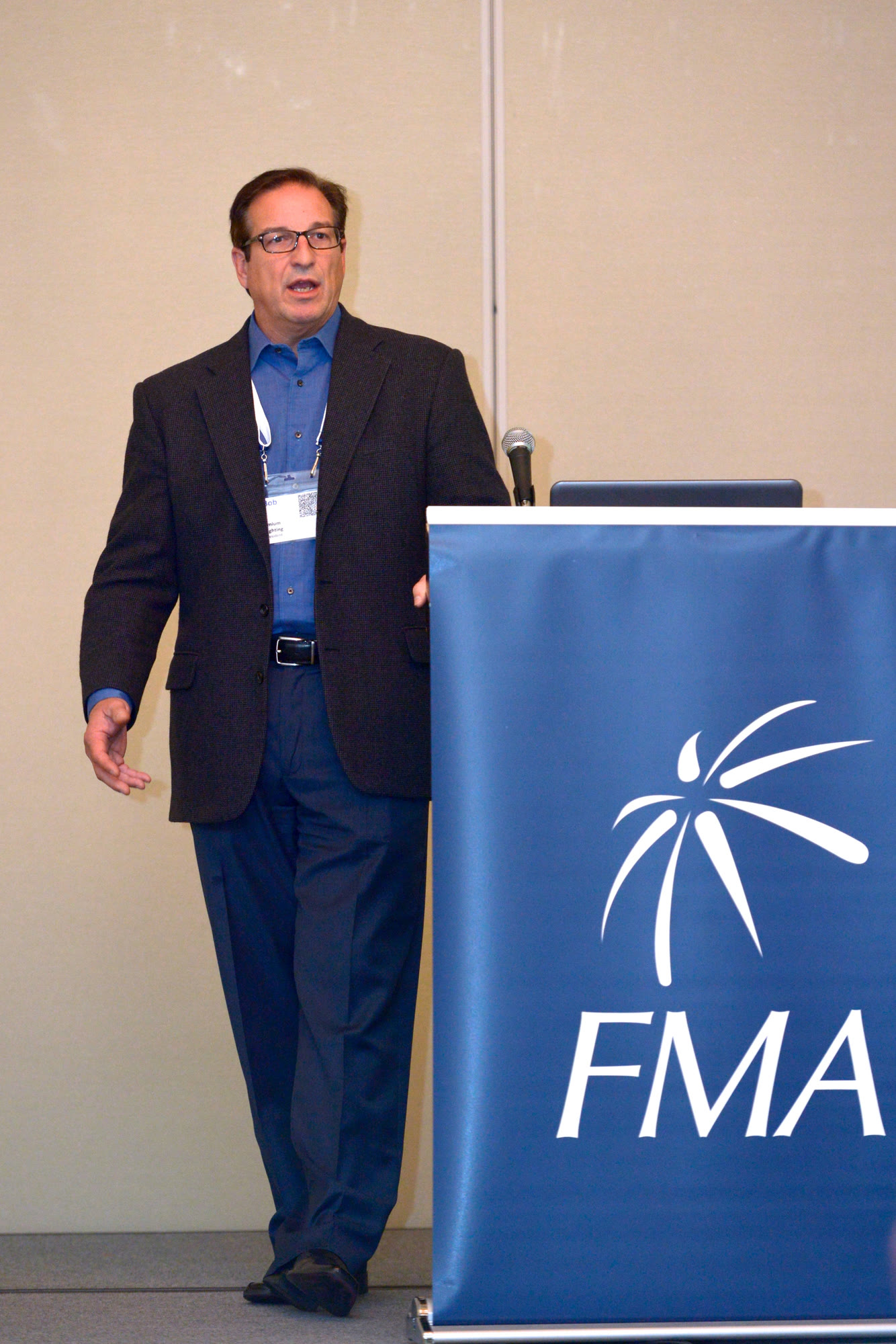
What every talk covers
- The problemWhat was happening in the building, campus or site.
- What was at stakeEnergy, maintenance, downtime, compliance or the people who use it.
- The decisionThe options you weighed, and why this one.
- The workWhat changed, how long it took, what went wrong.
- The resultsMeasured before and after. Achieved, estimated or identified, said plainly.
- The lessonsWhat another facility should check first.
Who's behind it.
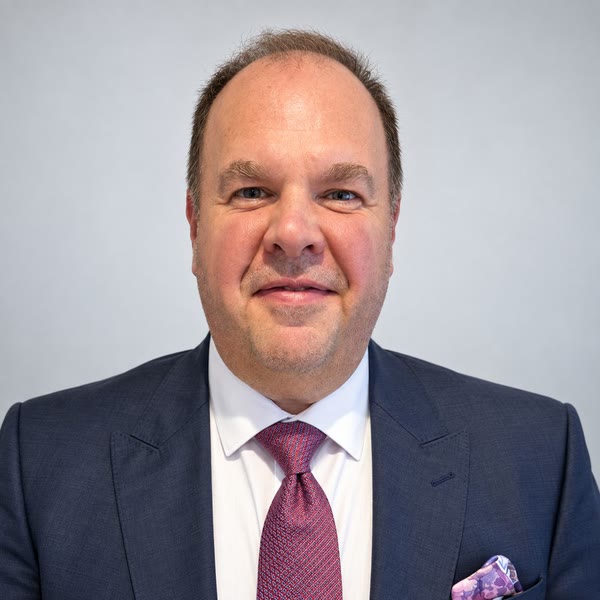

Started FMA in Montreal in 2007 and has run every summit himself: 35 of them, 17,000+ meetings. Every delegate is invited, every meeting is booked before anyone arrives, and the group stays small.
Read the full story
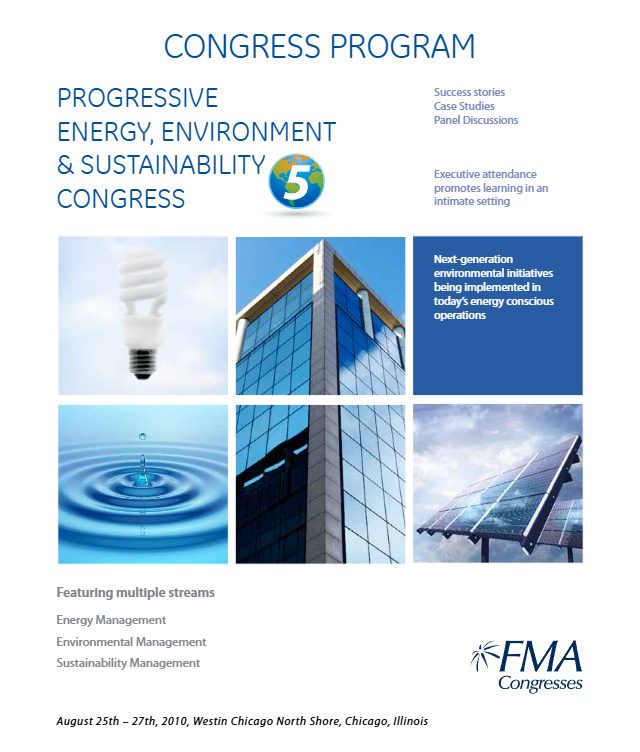
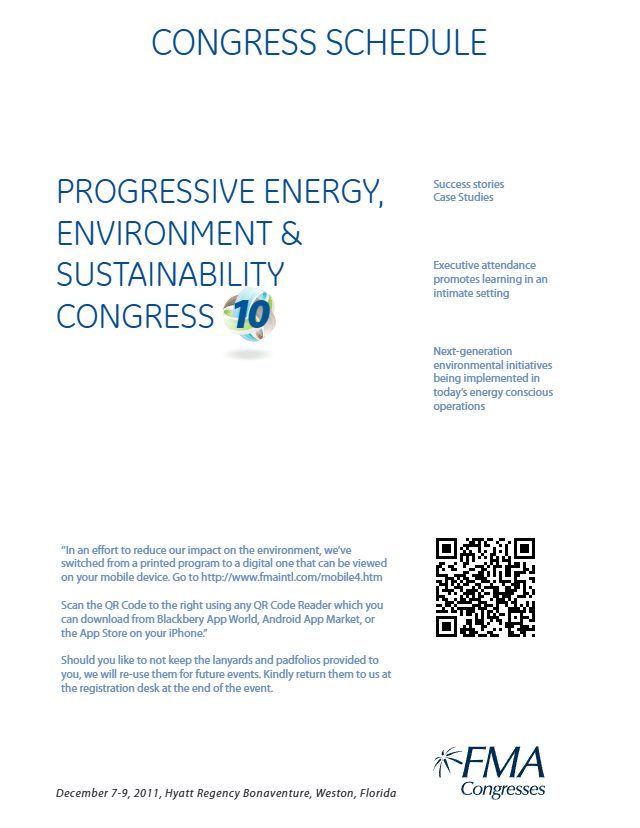
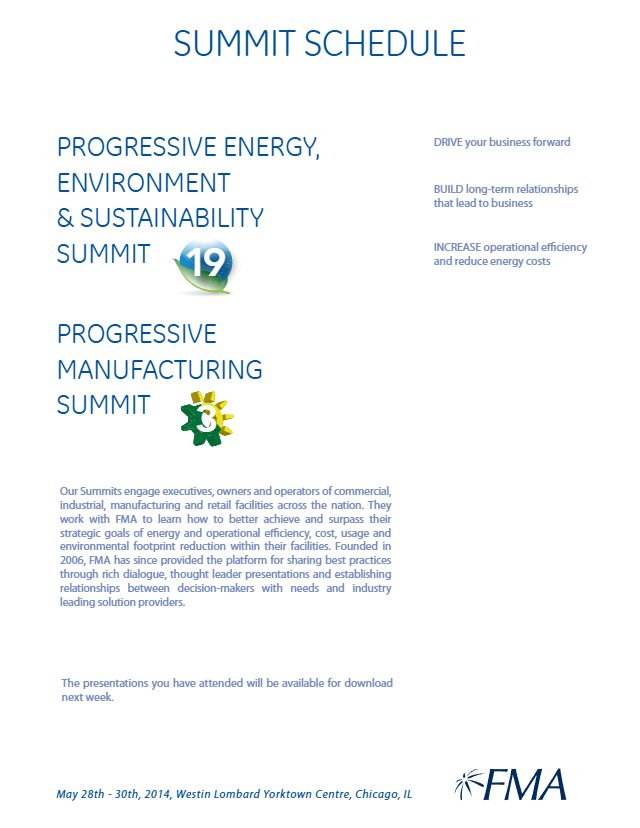
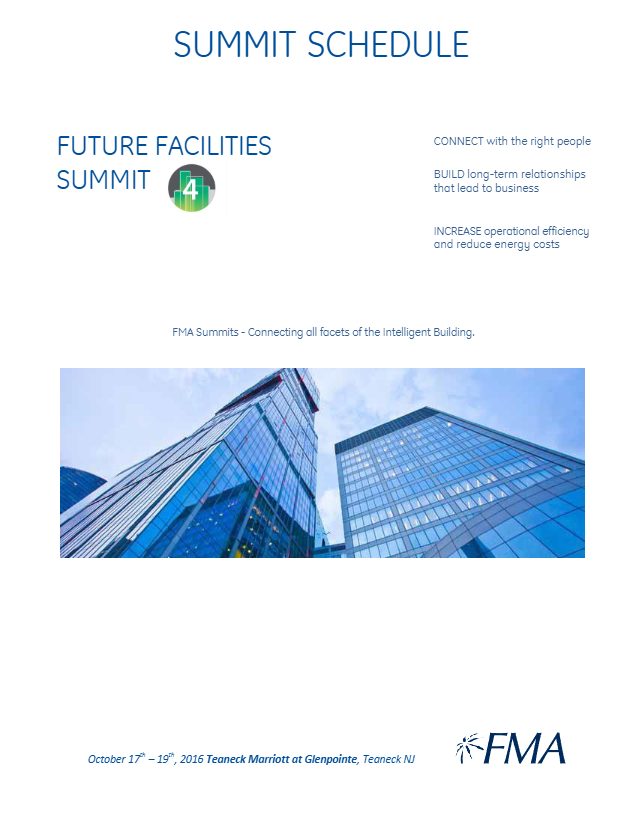
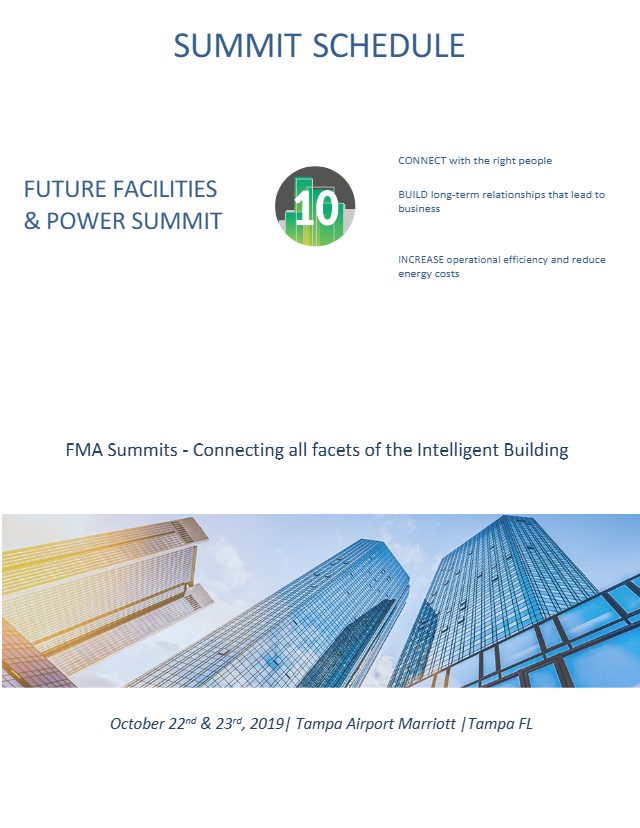
Every solution provider and speaker, as printed. Facility leaders from universities, schools, hospitals, commercial buildings, data centers and government came to 28 of the past summits.
Open any program
Your facility fixed something. Tell the room how.
Propose a 20-minute talk, or register your team. Reply to the email that brought you here, or write to Joe Piazza at info@fmasummits.com.
35 summits since 2007. The films and quotes on this page are from past summits.